Plastic coating


Protective plastic coating with a long service life

For applications where wear resistance, corrosion protection, or electrical insulation are paramount, fluidized bed sintering, also known as dip coating or plasticizing, offers a durable and efficient solution.

HOW DOES PLASTIC COATING WORK?

From preheating to a
closed protective layer.

1. Heating

The metal part is heated in a controlled manner to the required process temperature.

Icoon spuitpistool

2. Powder application

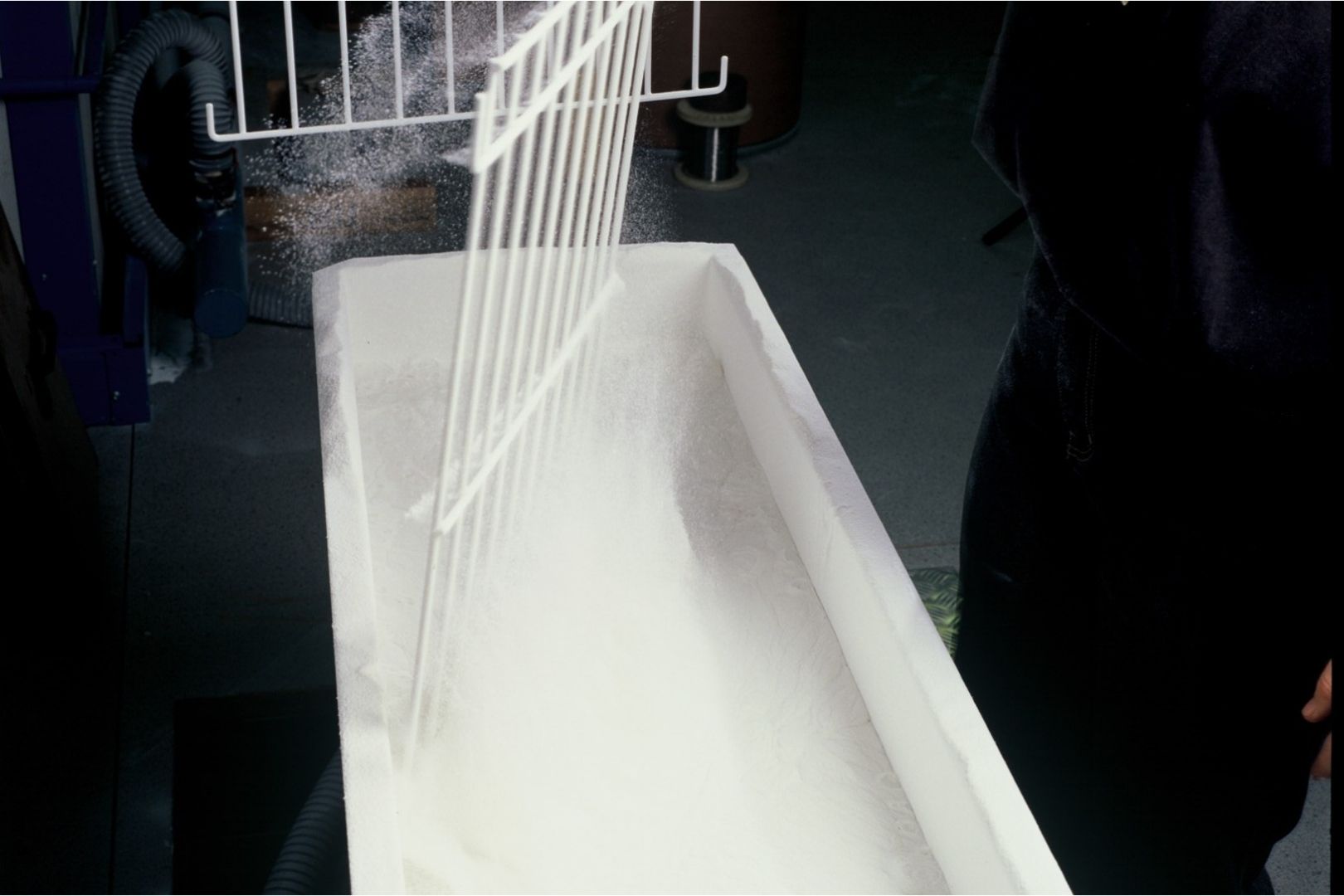
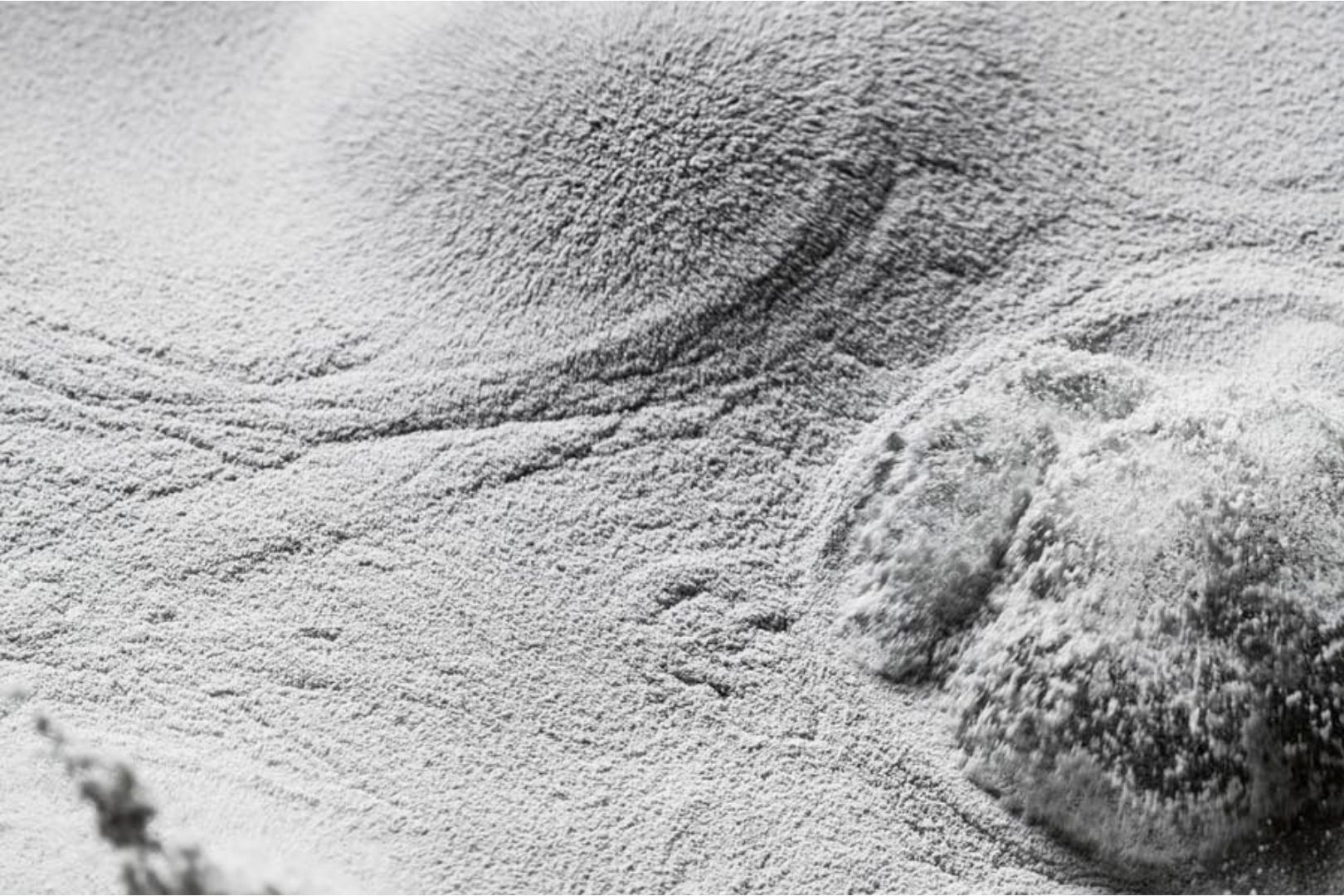
The heated part is immersed in a fluidised bed of plastic powder. The powder can also be applied with a spray gun.

Icoon oven

3. Fusing

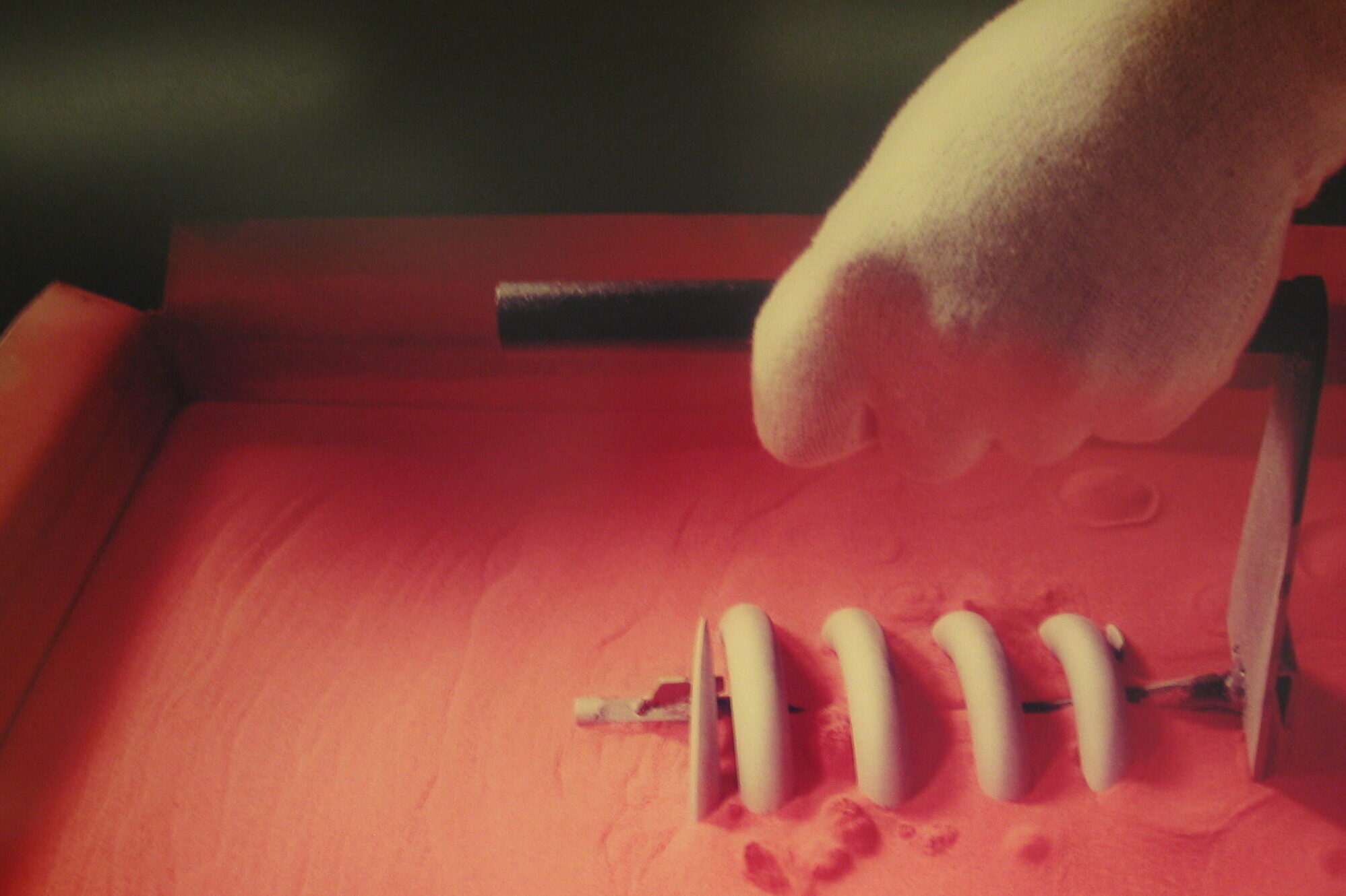
Due to the heat, the powder melts immediately on the surface and forms a completely closed whole.

4. Cooling and final result

Upon cooling, a wear-resistant, uniform plastic layer forms with a thickness ranging from 200µm to more than 800µm.

OUR POSSIBILITIES

Sustainable coatings for industrial applications.

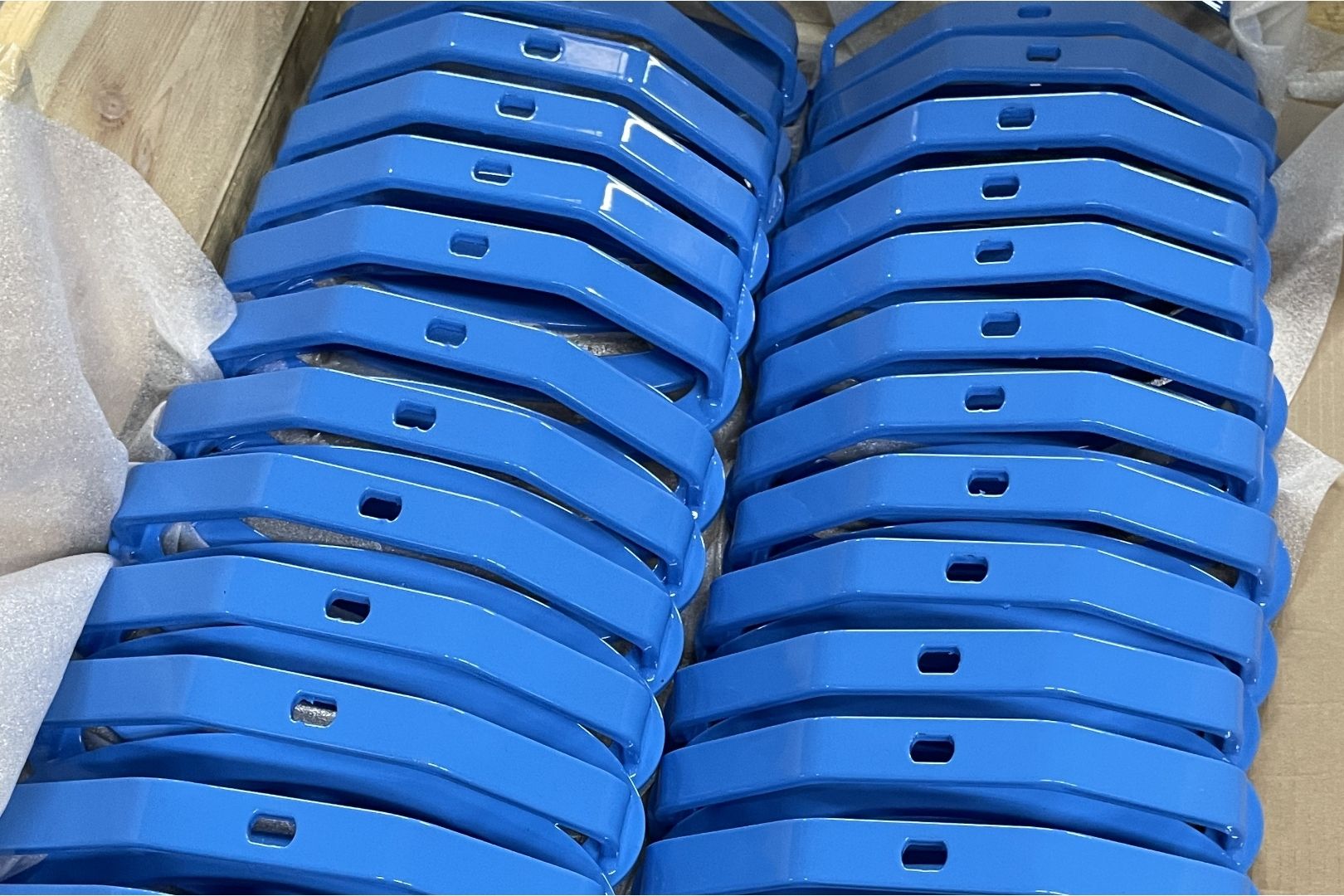
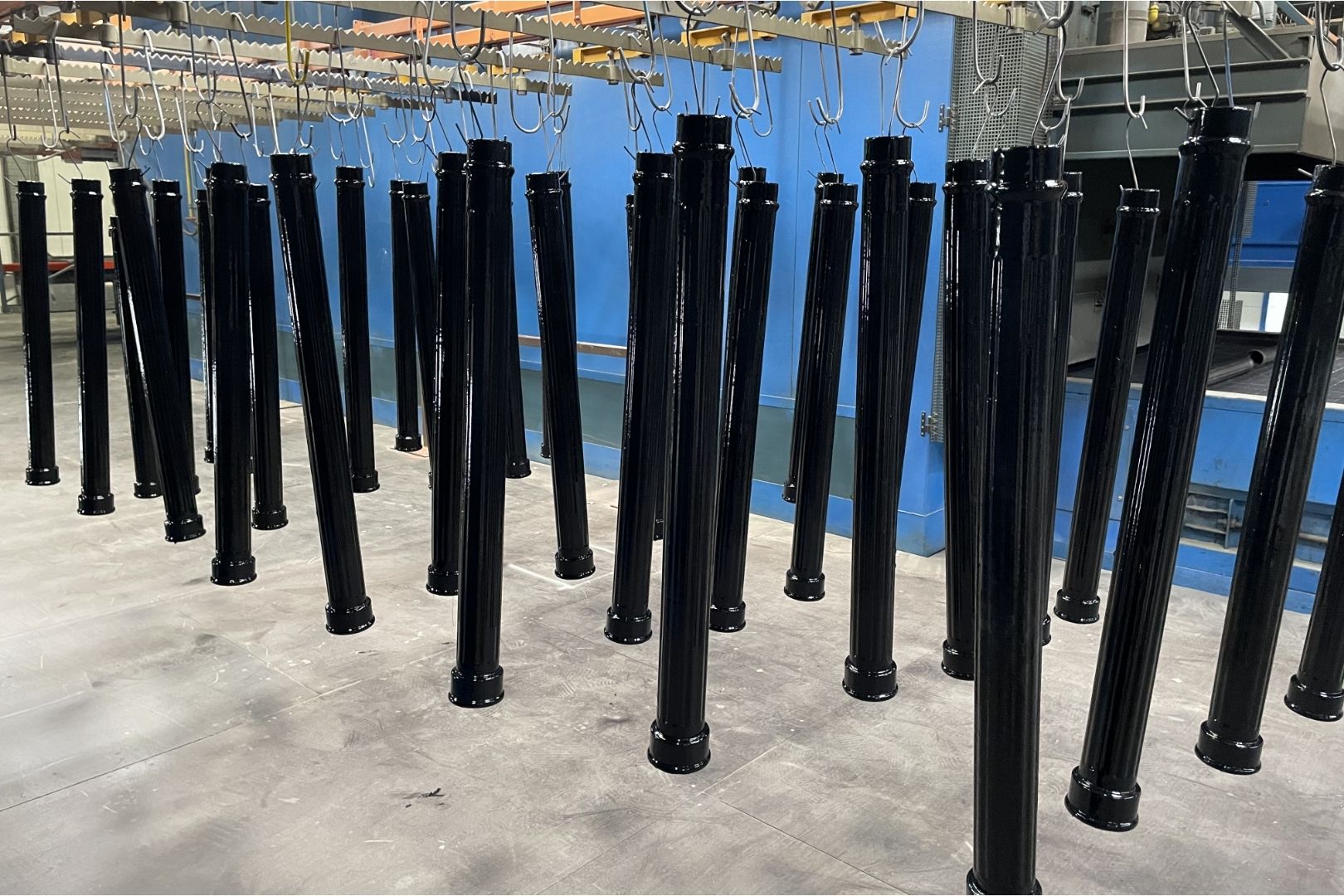
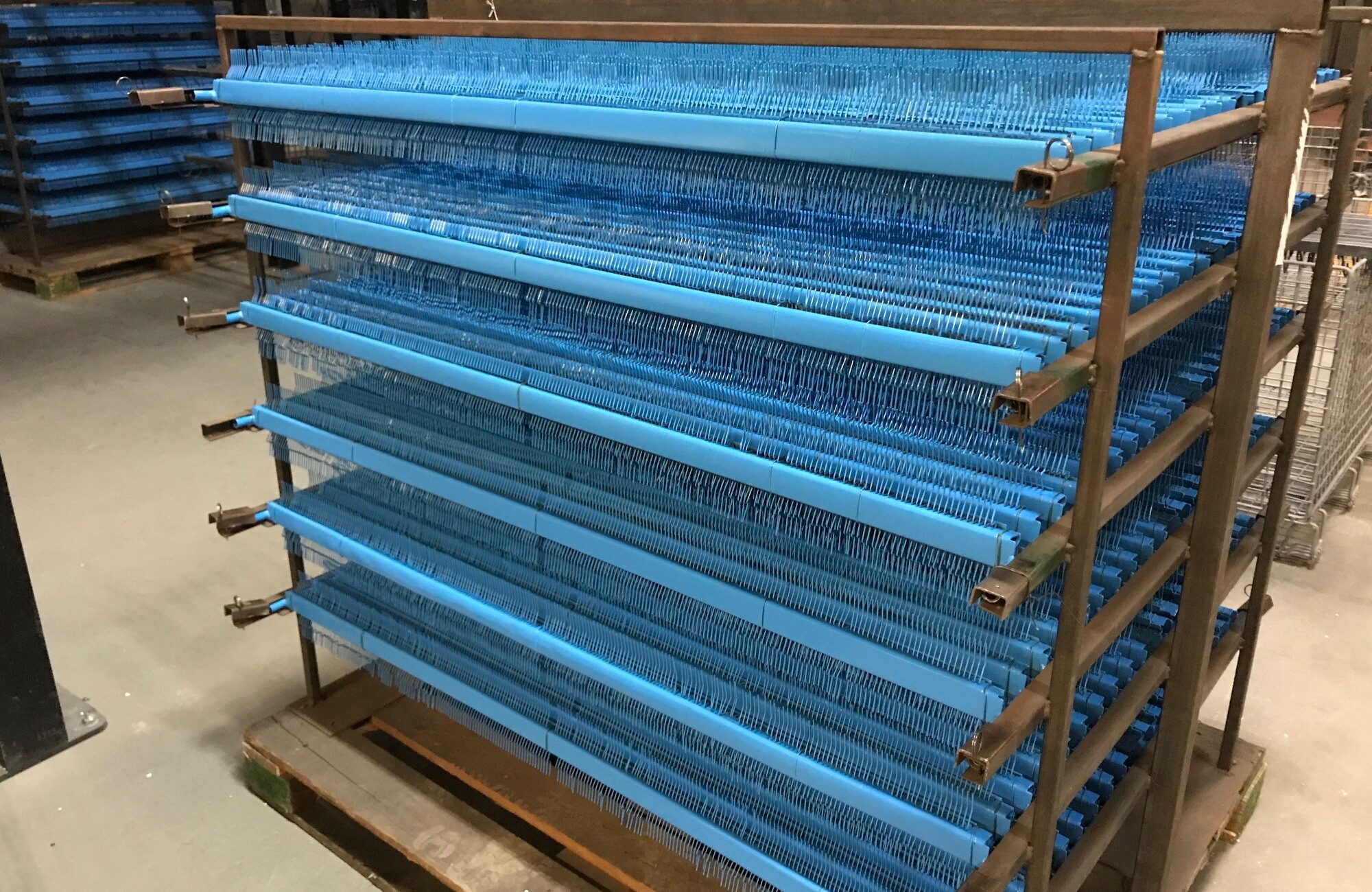
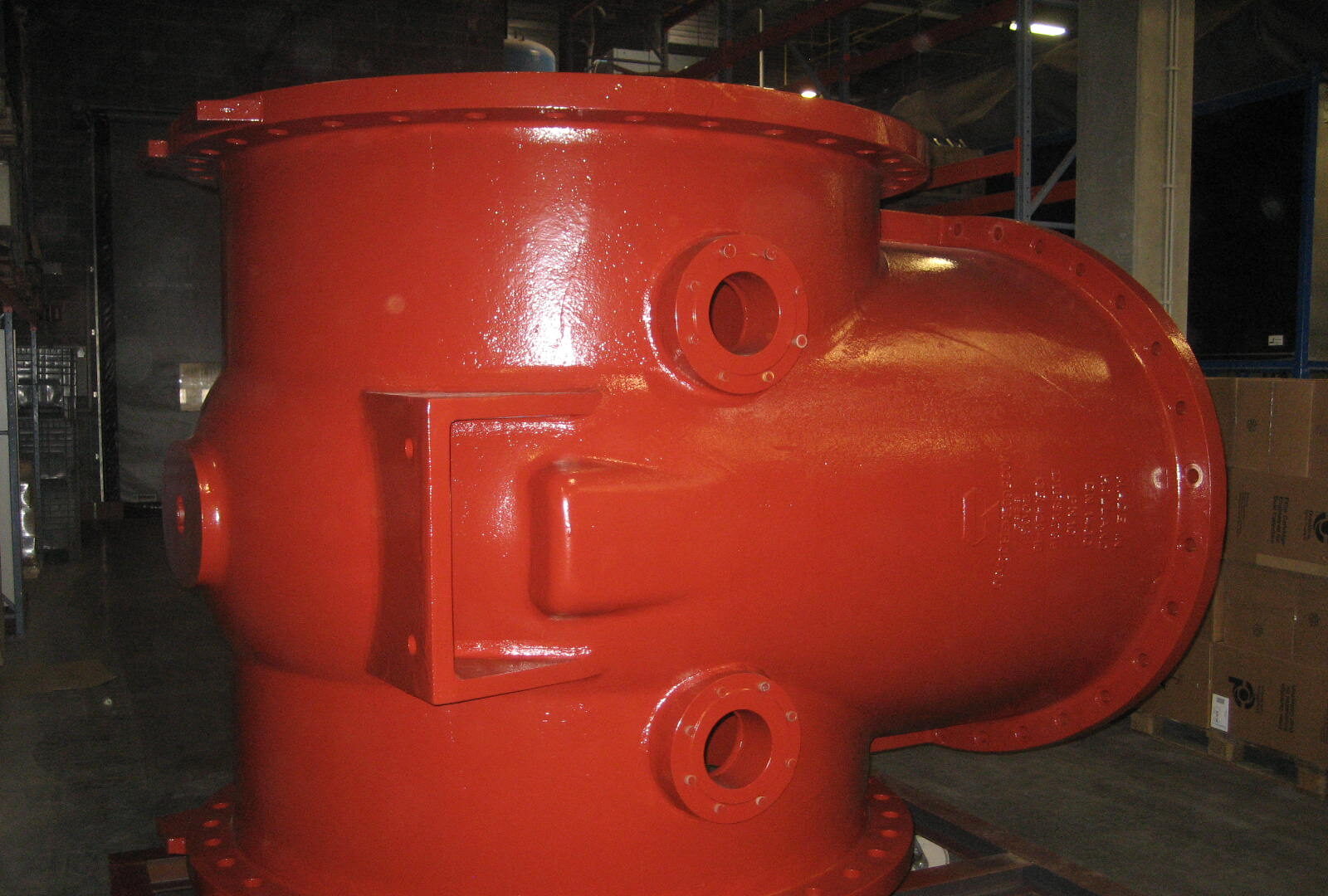
ALMAPLAST applies plasticization to components that place high demands on corrosion protection, durability, and electrical insulation. Thanks to our expertise, we achieve consistent coatings with excellent mechanical and chemical properties.

Custom thermoplastic coatings

Applications

BENEFITS OF FLUIDISED BED SINTERING

Maximum protection with added functional value

Excellent protection against corrosion and wear

The thermoplastic coating completely seals the metal and offers durable protection against rust, scratches, and mechanical stress.

Sound-dampening, vibration-resistant and electrically insulating

The plastic layer absorbs contact noise and reduces vibrations, making this technology particularly suitable for suspension systems, racks, and tools, among other applications.

Pleasant and safe finish

The coating feels soft and provides a smooth surface without sharp edges. Ideal for applications where parts are frequently handled manually.

Versatile application possibilities

Depending on the chosen coating, fluidized bed sintering can be used for corrosion protection, electrical insulation, chemical resistance, and other functional applications.

LIMITATIONS OF FLUIDISED BED SINTERING

Important to know

Only suitable for heat-resistant parts

Because the parts are preheated, this technique is only applicable to materials that can withstand higher temperatures.

Less suitable for thin layer thicknesses

Fluidized bed sintering creates relatively thick coatings, making a very fine or precisely controlled layer build-up difficult to achieve.

More limited finishing options

Compared to other coating techniques, the choice of colors, gloss levels, and textures is more limited.

Looking for a partner for your coatings?

Contact us!

Contact us

We are always at your service.

Office


Mon – Thu:
8:00 – 12:00
13:00 – 17:00

Friday
8:00 – 12:00
13:00 – 15:30

Warehouse

Mon – Thu:
7:30 – 11:30
12:00 – 15:30

Friday
7:30 – 11:30